








Stat Leaders

Who leads by the numbers

See who leads every division. Rank UFC fighters by CCR and TSR, striking, grappling, and control—with every metric measured against their weight class peers.

MMA Outlaw TV — UFC betting picks, full card predictions, and proven results. Follow @MMAOUTLAWTV on YouTube.
1Ciryl Gane headshot

Ciryl Gane

Heavyweight

232.9

CCR

2Paddy Pimblett headshot

Paddy Pimblett

Lightweight

216.5

CCR

3Justin Gaethje headshot

Justin Gaethje

Lightweight

188.8

CCR

4Gabriel Bonfim headshot

Gabriel Bonfim

Welterweight

183.7

CCR

5Umar Nurmagomedov headshot

Umar Nurmagomedov

Bantamweight

181.8

CCR

6Islam Makhachev headshot

Islam Makhachev

Welterweight

181.6

CCR

7Mario Bautista headshot

Mario Bautista

Bantamweight

179.8

CCR

8Manel Kape headshot

Manel Kape

Flyweight

175.0

CCR

9Michael Morales headshot

Michael Morales

Welterweight

173.5

CCR

10Joshua Van headshot

Joshua Van

Flyweight

173.0

CCR

11Sean Strickland headshot

Sean Strickland

Middleweight

172.3

CCR

12Alexander Volkov headshot

Alexander Volkov

Heavyweight

171.1

CCR

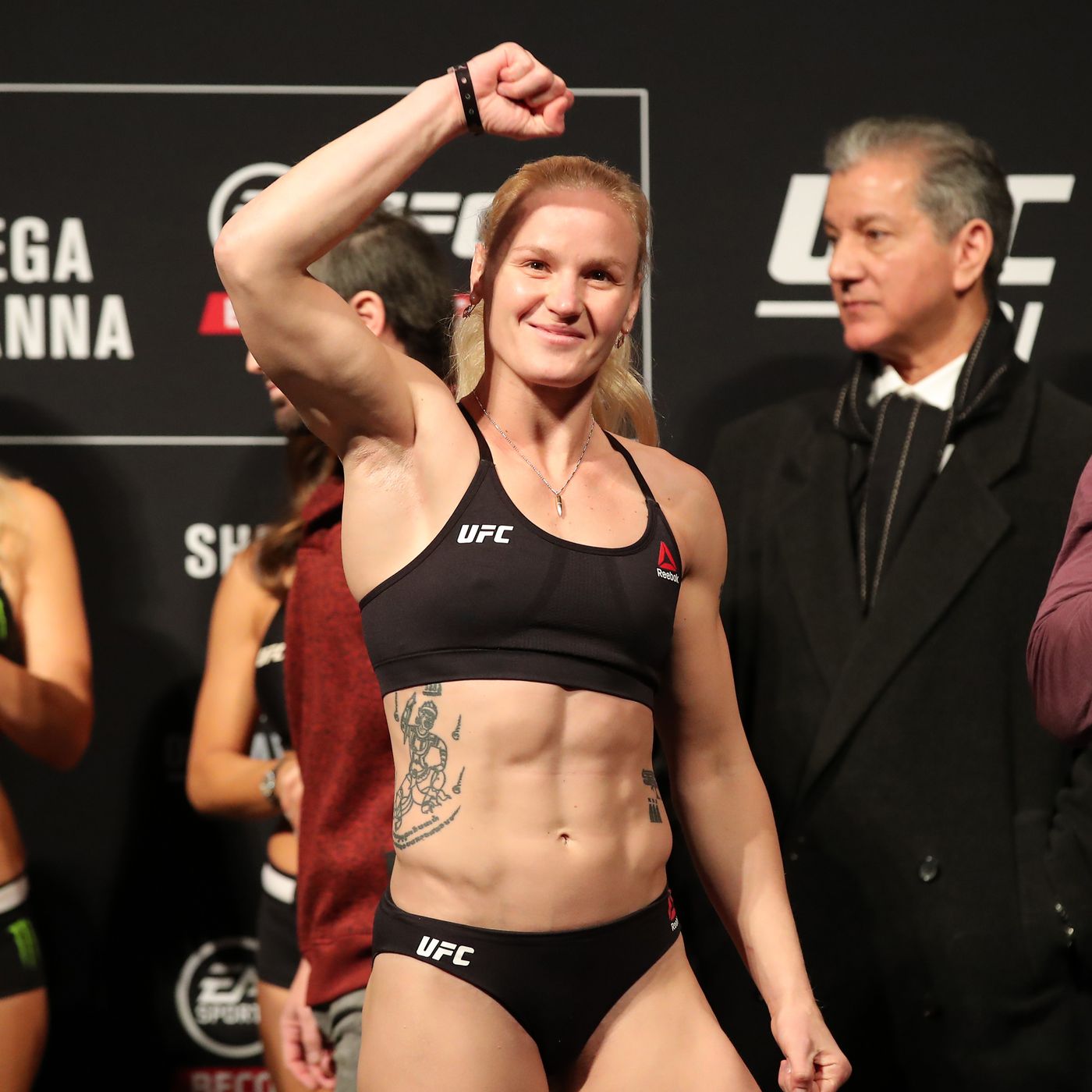
13Valentina Shevchenko headshot

Valentina Shevchenko

Women's Flyweight

170.1

CCR

14Jon Jones headshot

Jon Jones

Heavyweight

163.1

CCR

15Yaroslav Amosov headshot

Yaroslav Amosov

Welterweight

163.1

CCR

16Arman Tsarukyan headshot

Arman Tsarukyan

Lightweight

162.7

CCR

17Charles Oliveira headshot

Charles Oliveira

Lightweight

162.3

CCR

18Nathaniel Wood headshot

Nathaniel Wood

Featherweight

162.1

CCR

19Josh Hokit headshot

Josh Hokit

Heavyweight

162.0

CCR

20Carlos Ulberg headshot

Carlos Ulberg

Light Heavyweight

157.8

CCR

21Francis Ngannou headshot

Francis Ngannou

Heavyweight

156.7

CCR

22Movsar Evloev headshot

Movsar Evloev

Featherweight

156.4

CCR

23Manon Fiorot headshot

Manon Fiorot

Women's Flyweight

154.8

CCR

24Petr Yan headshot

Petr Yan

Bantamweight

154.1

CCR

25Waldo Cortes Acosta headshot

Waldo Cortes Acosta

Heavyweight

153.6

CCR

26Khamzat Chimaev headshot

Khamzat Chimaev

Middleweight

153.4

CCR

27Carlos Prates headshot

Carlos Prates

Welterweight

153.0

CCR

28Tom Nolan headshot

Tom Nolan

Lightweight

153.0

CCR

29Diego Lopes headshot

Diego Lopes

Featherweight

152.2

CCR

30Natalia Silva headshot

Natalia Silva

Women's Flyweight

149.5

CCR

31Rafa Garcia headshot

Rafa Garcia

Lightweight

149.3

CCR

32Quillan Salkilld headshot

Quillan Salkilld

Lightweight

149.1

CCR

33Shavkat Rakhmonov headshot

Shavkat Rakhmonov

Welterweight

148.2

CCR

34Joselyne Edwards headshot

Joselyne Edwards

Women's Bantamweight

147.4

CCR

35Kayla Harrison headshot

Kayla Harrison

Women's Bantamweight

146.8

CCR

36Ilia Topuria headshot

Ilia Topuria

Lightweight

146.0

CCR

37Merab Dvalishvili headshot

Merab Dvalishvili

Bantamweight

145.9

CCR

38Brendan Allen headshot

Brendan Allen

Middleweight

145.0

CCR

39Erin Blanchfield headshot

Erin Blanchfield

Women's Flyweight

144.9

CCR

40Farid Basharat headshot

Farid Basharat

Bantamweight

144.0

CCR

41Zhang Weili headshot

Zhang Weili

Women's Flyweight

143.7

CCR

42Renato Moicano headshot

Renato Moicano

Lightweight

142.8

CCR

43Christian Leroy Duncan headshot

Christian Leroy Duncan

Middleweight

142.5

CCR

44Pat Sabatini headshot

Pat Sabatini

Featherweight

142.2

CCR

45Mateusz Gamrot headshot

Mateusz Gamrot

Lightweight

142.2

CCR

46Alexander Volkanovski headshot

Alexander Volkanovski

Featherweight

141.7

CCR

47Ian Machado Garry headshot

Ian Machado Garry

Welterweight

141.7

CCR

48Robert Whittaker headshot

Robert Whittaker

Light Heavyweight

141.5

CCR

49Mackenzie Dern headshot

Mackenzie Dern

Women's Strawweight

141.3

CCR

50Max Holloway headshot

Max Holloway

Welterweight

141.1

CCR

Showing 150 of 1115 · Page 1 of 23

PreviousNext

Analytics guide

Stat definitions at a glance

CCR

Current Competitiveness Rating

What it calculates

Current Competitiveness Rating (CCR): a composite score—like an Elo rating in chess—that evaluates advanced striking, grappling, pace, and opponent-quality stats into one number.

Why it matters

Weights recent performance much more heavily than older fights and incorporates factors like age. Use it to see who is fighting at an elite level right now.

TSR

True Skill Rating

What it calculates

True Skill Rating (TSR): the same composite approach applied across a fighter’s full UFC body of work, like an Elo rating built from advanced stats.

Why it matters

Does not overweight recency or adjust for age—it is a pure career evaluative metric. Helpful for separating sustained elite careers from short hot streaks.

SLpM

Significant strikes landed per minute

What it calculates

Total Significant Strikes Landed ÷ Total Fight Time (minutes)

Why it matters

Captures offensive pace and sustained scoring output — high SLpM forces opponents to fight at your tempo.

SApM

Significant strikes absorbed per minute

What it calculates

Total Significant Strikes Absorbed ÷ Total Fight Time (minutes)

Why it matters

Shows defensive efficiency and risk exposure — low SApM usually means better defense, distance management, and fewer damaging exchanges.

KD/M

Knockdowns per minute

What it calculates

Total Knockdowns ÷ Total Fight Time (minutes)

Why it matters

Measures a fighter’s ability to create high-impact, fight-changing moments that swing rounds or lead to finishes.

TD/M

Takedowns per minute

What it calculates

Total Takedowns Landed ÷ Total Fight Time (minutes)

Why it matters

Signals wrestling pace and phase control — fighters who can reliably force grappling exchanges can neutralize dangerous strikers.

CTRL

Control time per minute fought

What it calculates

Total Control Time ÷ Total Fight Time (minutes)

Why it matters

Quantifies positional dominance and round-winning leverage — control time often correlates with judges’ scoring and opponent suppression.

SUB/M

Submission attempts per minute

What it calculates

Total Submission Attempts ÷ Total Fight Time (minutes)

Why it matters

Reflects finishing threat on the mat — frequent submission attacks force defensive reactions that open up control and damage.

Rev

Reversals

What it calculates

Total Reversals ÷ Total Fight Time (minutes)

Why it matters

Highlights scrambling and escape ability — reversals turn bad positions into scoring opportunities and can flip momentum.

C/15

Control time per 15 minutes

What it calculates

(Total Control Time ÷ Total Fight Time) × 15 minutes

Why it matters

Standardizes grappling control to a 15-minute baseline so fighters with different bout lengths can be compared fairly.

TOP/15

Top control per 15 minutes

What it calculates

(Total Top Control Time ÷ Total Fight Time) × 15 minutes

Why it matters

Separates high-quality control (top position) from other control contexts — strong top control is a reliable path to winning rounds.

CLN/15

Clinch control per 15 minutes

What it calculates

(Total Clinch Control Time ÷ Total Fight Time) × 15 minutes

Why it matters

Measures fence control and pace management — clinch time can mute opponent offense and bank scoring minutes.

GRD/15

Ground control per 15 minutes

What it calculates

(Total Ground Control Time ÷ Total Fight Time) × 15 minutes

Why it matters

Shows takedown follow-through and top pressure — ground control often creates long stretches of safe scoring and attrition.

CAGE

Cage control per 15 minutes

What it calculates

(Total Cage Control Time ÷ Total Fight Time) × 15 minutes

Why it matters

Quantifies time spent driving position against the fence — useful for understanding style matchups and opponent disruption.

BACK

Back control per 15 minutes

What it calculates

(Total Back Control Time ÷ Total Fight Time) × 15 minutes

Why it matters

Back control is premium dominance — it strongly predicts submission threat and long, uncontested control sequences.

CHIN

Chin rating

What it calculates

Model score (0–100): durability under damaging strikes

Why it matters

A quick durability signal — higher scores suggest a fighter can survive danger and remain competitive deep into fights.

TDAtt

Takedowns attempted (career)

What it calculates

Career total takedown attempts (UFC bouts)

Why it matters

Represents grappling intent and game-planning tendency — high attempt totals usually indicate a wrestler-first approach.

TDLnd

Takedowns landed (career)

What it calculates

Career total takedowns landed (UFC bouts)

Why it matters

Proof of conversion and control potential — landed takedowns often precede control time, damage, and submission attempts.

TDAg

Takedown attempts against (career)

What it calculates

Career total opponent takedown attempts faced (UFC bouts)

Why it matters

Shows how often opponents choose to wrestle them — a proxy for perceived defensive striking threat or exploitable takedown defense.

TDDef

Takedown attempts defended (career)

What it calculates

Career total opponent takedown attempts defended (UFC bouts)

Why it matters

Highlights defensive wrestling volume — strong defense keeps fights in a preferred phase and preserves striking efficiency.