





Stat Leaders

Who leads by the numbers

See who leads every division. Rank UFC fighters by CCR and TSR, striking, grappling, and control—with every metric measured against their weight class peers.

MMA Outlaw TV — UFC betting picks, full card predictions, and proven results. Follow @MMAOUTLAWTV on YouTube.
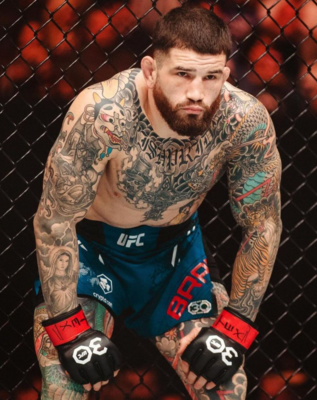
101Sean Brady headshot

Sean Brady

Welterweight

129.7

CCR

102Kamaru Usman headshot

Kamaru Usman

Middleweight

129.7

CCR

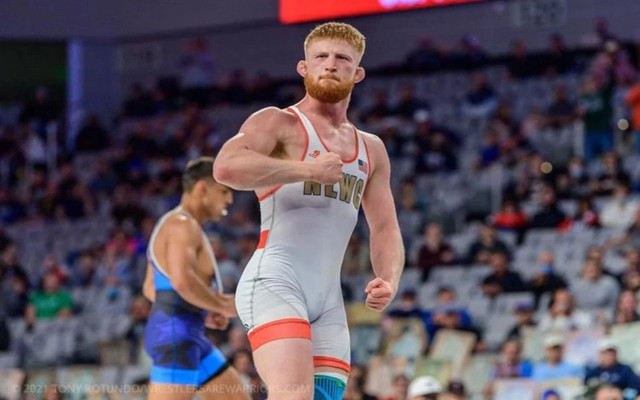
103Bo Nickal headshot

Bo Nickal

Middleweight

129.6

CCR

104Jack Della Maddalena headshot

Jack Della Maddalena

Welterweight

129.3

CCR

105Alexander Hernandez headshot

Alexander Hernandez

Lightweight

129.3

CCR

106Sam Patterson headshot

Sam Patterson

Welterweight

128.8

CCR

107Jakub Wiklacz headshot

Jakub Wiklacz

Bantamweight

128.8

CCR

108Alex Perez headshot

Alex Perez

Flyweight

128.7

CCR

109Cory Sandhagen headshot

Cory Sandhagen

Bantamweight

128.4

CCR

110Daniel Marcos headshot

Daniel Marcos

Bantamweight

128.3

CCR

111Song Yadong headshot

Song Yadong

Bantamweight

128.3

CCR

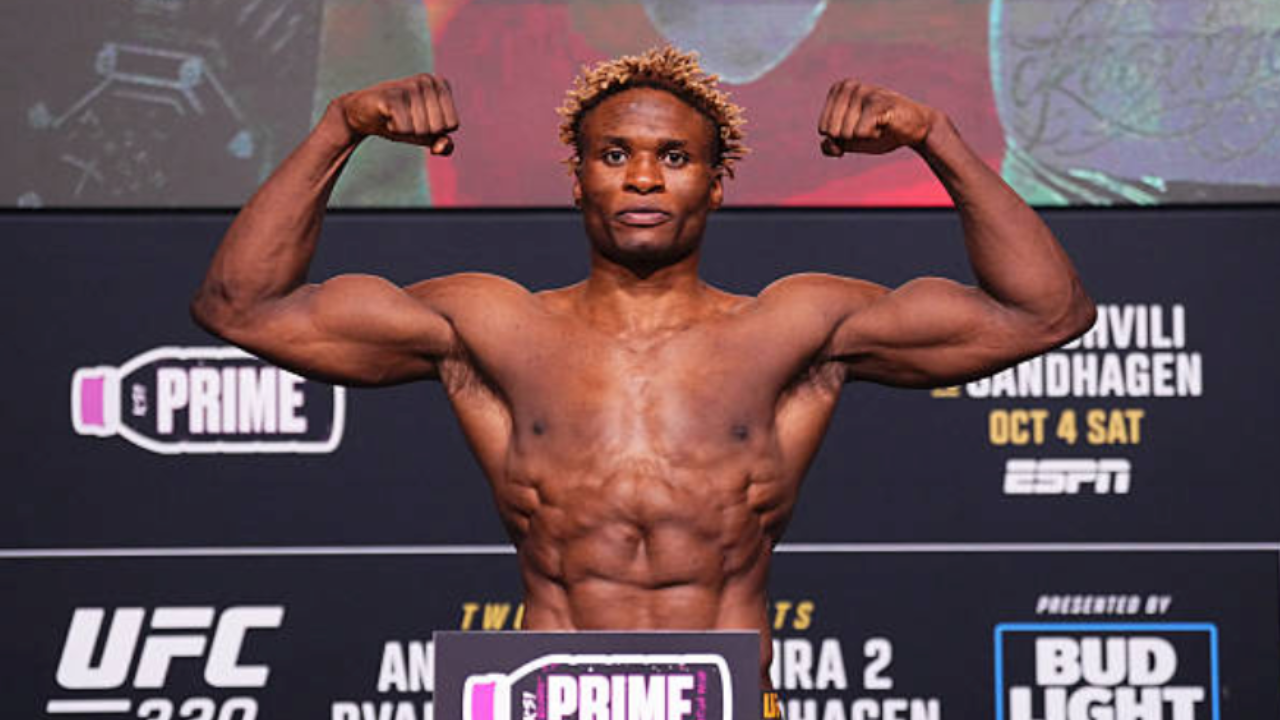
112Ateba Gautier headshot

Ateba Gautier

Middleweight

128.3

CCR

113Marcus McGhee headshot

Marcus McGhee

Bantamweight

128.0

CCR

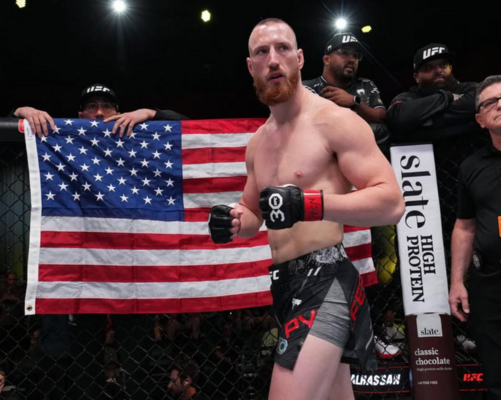
114Joe Pyfer headshot

Joe Pyfer

Middleweight

127.9

CCR

115Arnold Allen headshot

Arnold Allen

Featherweight

127.9

CCR

116Ikram Aliskerov headshot

Ikram Aliskerov

Middleweight

127.8

CCR

117Bia Mesquita headshot

Bia Mesquita

Women's Bantamweight

127.4

CCR

118Dustin Jacoby headshot

Dustin Jacoby

Light Heavyweight

127.4

CCR

119Mitch Raposo headshot

Mitch Raposo

Flyweight

127.3

CCR

120Jacobe Smith headshot

Jacobe Smith

Welterweight

127.2

CCR

121Brando Pericic headshot

Brando Pericic

Heavyweight

127.1

CCR

122Yan Xiaonan headshot

Yan Xiaonan

Women's Strawweight

126.9

CCR

123Dan Hooker headshot

Dan Hooker

Lightweight

126.7

CCR

124Gregory Rodrigues headshot

Gregory Rodrigues

Middleweight

126.6

CCR

125Valter Walker headshot

Valter Walker

Heavyweight

126.6

CCR

126Mick Parkin headshot

Mick Parkin

Heavyweight

126.4

CCR

127Brandon Royval headshot

Brandon Royval

Flyweight

125.9

CCR

128Payton Talbott headshot

Payton Talbott

Bantamweight

125.8

CCR

129Jacqueline Cavalcanti headshot

Jacqueline Cavalcanti

Women's Bantamweight

125.6

CCR

130Baisangur Susurkaev headshot

Baisangur Susurkaev

Middleweight

125.5

CCR

131Miranda Maverick headshot

Miranda Maverick

Women's Flyweight

125.3

CCR

132Bogdan Guskov headshot

Bogdan Guskov

Light Heavyweight

125.2

CCR

133Stipe Miocic headshot

Stipe Miocic

Heavyweight

125.2

CCR

134Alexia Thainara headshot

Alexia Thainara

Women's Strawweight

125.1

CCR

135Mairon Santos headshot

Mairon Santos

Featherweight

125.1

CCR

136Kaan Ofli headshot

Kaan Ofli

Featherweight

125.0

CCR

137Myktybek Orolbai headshot

Myktybek Orolbai

Welterweight

124.8

CCR

138Daniil Donchenko headshot

Daniil Donchenko

Welterweight

124.6

CCR

139Kevin Vallejos headshot

Kevin Vallejos

Featherweight

124.6

CCR

140Sergei Pavlovich headshot

Sergei Pavlovich

Heavyweight

124.5

CCR

141Caio Borralho headshot

Caio Borralho

Middleweight

124.5

CCR

142Cam Rowston headshot

Cam Rowston

Middleweight

124.4

CCR

143Elijah Smith headshot

Elijah Smith

Bantamweight

124.3

CCR

144Anthony Hernandez headshot

Anthony Hernandez

Middleweight

124.2

CCR

145Ramiz Brahimaj headshot

Ramiz Brahimaj

Welterweight

124.1

CCR

146Lerryan Douglas headshot

Lerryan Douglas

Featherweight

124.0

CCR

147Cody Haddon headshot

Cody Haddon

Bantamweight

124.0

CCR

148Rinya Nakamura headshot

Rinya Nakamura

Bantamweight

123.6

CCR

149Mike Malott headshot

Mike Malott

Welterweight

123.5

CCR

150Alden Coria headshot

Alden Coria

Flyweight

123.5

CCR

Showing 101150 of 1115 · Page 3 of 23

Analytics guide

Stat definitions at a glance

CCR

Current Competitiveness Rating

What it calculates

Current Competitiveness Rating (CCR): a composite score—like an Elo rating in chess—that evaluates advanced striking, grappling, pace, and opponent-quality stats into one number.

Why it matters

Weights recent performance much more heavily than older fights and incorporates factors like age. Use it to see who is fighting at an elite level right now.

TSR

True Skill Rating

What it calculates

True Skill Rating (TSR): the same composite approach applied across a fighter’s full UFC body of work, like an Elo rating built from advanced stats.

Why it matters

Does not overweight recency or adjust for age—it is a pure career evaluative metric. Helpful for separating sustained elite careers from short hot streaks.

SLpM

Significant strikes landed per minute

What it calculates

Total Significant Strikes Landed ÷ Total Fight Time (minutes)

Why it matters

Captures offensive pace and sustained scoring output — high SLpM forces opponents to fight at your tempo.

SApM

Significant strikes absorbed per minute

What it calculates

Total Significant Strikes Absorbed ÷ Total Fight Time (minutes)

Why it matters

Shows defensive efficiency and risk exposure — low SApM usually means better defense, distance management, and fewer damaging exchanges.

KD/M

Knockdowns per minute

What it calculates

Total Knockdowns ÷ Total Fight Time (minutes)

Why it matters

Measures a fighter’s ability to create high-impact, fight-changing moments that swing rounds or lead to finishes.

TD/M

Takedowns per minute

What it calculates

Total Takedowns Landed ÷ Total Fight Time (minutes)

Why it matters

Signals wrestling pace and phase control — fighters who can reliably force grappling exchanges can neutralize dangerous strikers.

CTRL

Control time per minute fought

What it calculates

Total Control Time ÷ Total Fight Time (minutes)

Why it matters

Quantifies positional dominance and round-winning leverage — control time often correlates with judges’ scoring and opponent suppression.

SUB/M

Submission attempts per minute

What it calculates

Total Submission Attempts ÷ Total Fight Time (minutes)

Why it matters

Reflects finishing threat on the mat — frequent submission attacks force defensive reactions that open up control and damage.

Rev

Reversals

What it calculates

Total Reversals ÷ Total Fight Time (minutes)

Why it matters

Highlights scrambling and escape ability — reversals turn bad positions into scoring opportunities and can flip momentum.

C/15

Control time per 15 minutes

What it calculates

(Total Control Time ÷ Total Fight Time) × 15 minutes

Why it matters

Standardizes grappling control to a 15-minute baseline so fighters with different bout lengths can be compared fairly.

TOP/15

Top control per 15 minutes

What it calculates

(Total Top Control Time ÷ Total Fight Time) × 15 minutes

Why it matters

Separates high-quality control (top position) from other control contexts — strong top control is a reliable path to winning rounds.

CLN/15

Clinch control per 15 minutes

What it calculates

(Total Clinch Control Time ÷ Total Fight Time) × 15 minutes

Why it matters

Measures fence control and pace management — clinch time can mute opponent offense and bank scoring minutes.

GRD/15

Ground control per 15 minutes

What it calculates

(Total Ground Control Time ÷ Total Fight Time) × 15 minutes

Why it matters

Shows takedown follow-through and top pressure — ground control often creates long stretches of safe scoring and attrition.

CAGE

Cage control per 15 minutes

What it calculates

(Total Cage Control Time ÷ Total Fight Time) × 15 minutes

Why it matters

Quantifies time spent driving position against the fence — useful for understanding style matchups and opponent disruption.

BACK

Back control per 15 minutes

What it calculates

(Total Back Control Time ÷ Total Fight Time) × 15 minutes

Why it matters

Back control is premium dominance — it strongly predicts submission threat and long, uncontested control sequences.

CHIN

Chin rating

What it calculates

Model score (0–100): durability under damaging strikes

Why it matters

A quick durability signal — higher scores suggest a fighter can survive danger and remain competitive deep into fights.

TDAtt

Takedowns attempted (career)

What it calculates

Career total takedown attempts (UFC bouts)

Why it matters

Represents grappling intent and game-planning tendency — high attempt totals usually indicate a wrestler-first approach.

TDLnd

Takedowns landed (career)

What it calculates

Career total takedowns landed (UFC bouts)

Why it matters

Proof of conversion and control potential — landed takedowns often precede control time, damage, and submission attempts.

TDAg

Takedown attempts against (career)

What it calculates

Career total opponent takedown attempts faced (UFC bouts)

Why it matters

Shows how often opponents choose to wrestle them — a proxy for perceived defensive striking threat or exploitable takedown defense.

TDDef

Takedown attempts defended (career)

What it calculates

Career total opponent takedown attempts defended (UFC bouts)

Why it matters

Highlights defensive wrestling volume — strong defense keeps fights in a preferred phase and preserves striking efficiency.