

Stat Leaders

Who leads by the numbers

See who leads every division. Rank UFC fighters by CCR and TSR, striking, grappling, and control—with every metric measured against their weight class peers.

MMA Outlaw TV — UFC betting picks, full card predictions, and proven results. Follow @MMAOUTLAWTV on YouTube.
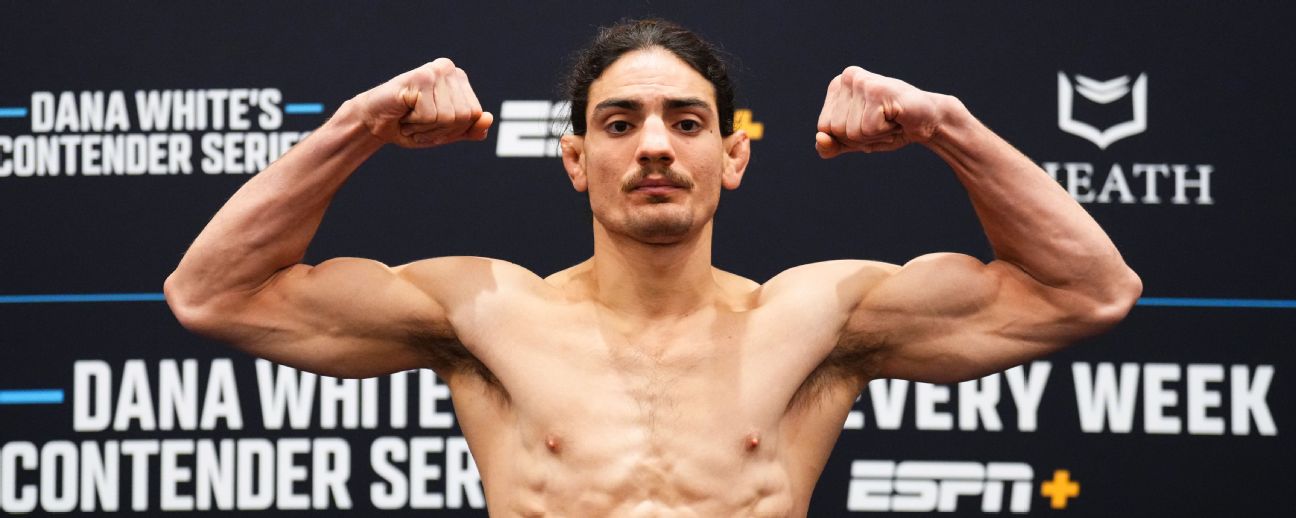
201Jacob Malkoun headshot

Jacob Malkoun

Middleweight

119.6

CCR

202Tracy Cortez headshot

Tracy Cortez

Women's Flyweight

119.4

CCR

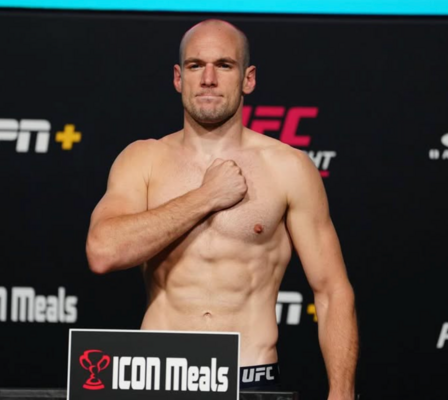
203Montel Jackson headshot

Montel Jackson

Bantamweight

119.2

CCR

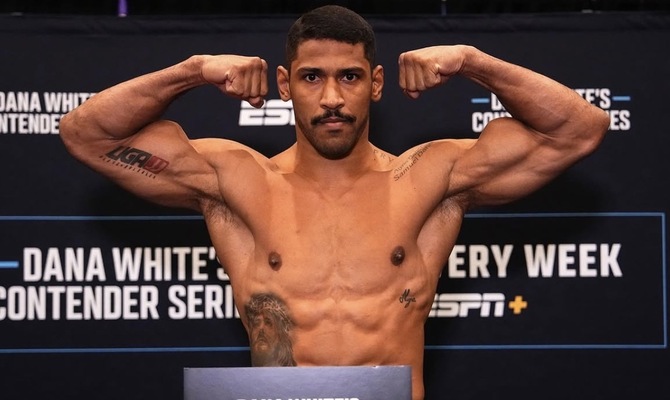
204Jonathan Micallef headshot

Jonathan Micallef

Welterweight

119.1

CCR

205Veronica Hardy headshot

Veronica Hardy

Women's Flyweight

119.0

CCR

206Uros Medic headshot

Uros Medic

Welterweight

118.9

CCR

207Sean Woodson headshot

Sean Woodson

Featherweight

118.9

CCR

208Jaqueline Amorim headshot

Jaqueline Amorim

Women's Strawweight

118.8

CCR

209Mansur Abdul-Malik headshot

Mansur Abdul-Malik

Middleweight

118.7

CCR

210Serhiy Sidey headshot

Serhiy Sidey

Bantamweight

118.7

CCR

211Roman Kopylov headshot

Roman Kopylov

Middleweight

118.6

CCR

212Jake Matthews headshot

Jake Matthews

Welterweight

118.6

CCR

213Colby Covington headshot

Colby Covington

Welterweight

118.6

CCR

214Amanda Lemos headshot

Amanda Lemos

Women's Strawweight

118.5

CCR

215Casey O'Neill headshot

Casey O'Neill

Women's Flyweight

118.5

CCR

216JJ Aldrich headshot

JJ Aldrich

Women's Flyweight

118.4

CCR

217Luis Felipe Dias headshot

Luis Felipe Dias

Middleweight

118.4

CCR

218Cezary Oleksiejczuk headshot

Cezary Oleksiejczuk

Middleweight

118.4

CCR

219Steve Erceg headshot

Steve Erceg

Flyweight

118.4

CCR

220Jean Matsumoto headshot

Jean Matsumoto

Bantamweight

118.3

CCR

221Juan Diaz headshot

Juan Diaz

Bantamweight

118.3

CCR

222Trey Waters headshot

Trey Waters

Welterweight

118.2

CCR

223Carli Judice headshot

Carli Judice

Women's Strawweight

118.2

CCR

224Sam Hughes headshot

Sam Hughes

Women's Strawweight

118.2

CCR

225Melissa Croden headshot

Melissa Croden

Women's Bantamweight

118.1

CCR

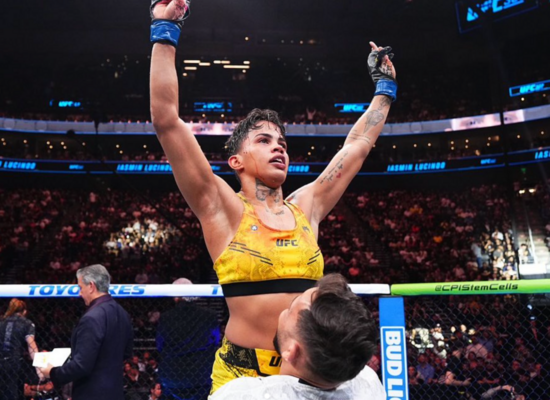
226Iasmin Lucindo headshot

Iasmin Lucindo

Women's Strawweight

118.0

CCR

227Jean-Paul Lebosnoyani headshot

Jean-Paul Lebosnoyani

Welterweight

118.0

CCR

228Tahir Abdullayev (no photo available)

Tahir Abdullayev

Welterweight

118.0

CCR

229Karl Williams headshot

Karl Williams

Heavyweight

117.9

CCR

230Austin Bashi headshot

Austin Bashi

Featherweight

117.8

CCR

231Alonzo Menifield headshot

Alonzo Menifield

Light Heavyweight

117.8

CCR

232Rodolfo Bellato headshot

Rodolfo Bellato

Light Heavyweight

117.8

CCR

233Amir Albazi headshot

Amir Albazi

Flyweight

117.8

CCR

234Edmen Shahbazyan headshot

Edmen Shahbazyan

Middleweight

117.7

CCR

235Azamat Murzakanov headshot

Azamat Murzakanov

Light Heavyweight

117.7

CCR

236Aiemann Zahabi headshot

Aiemann Zahabi

Bantamweight

117.6

CCR

237DongHun Choi headshot

DongHun Choi

Flyweight

117.6

CCR

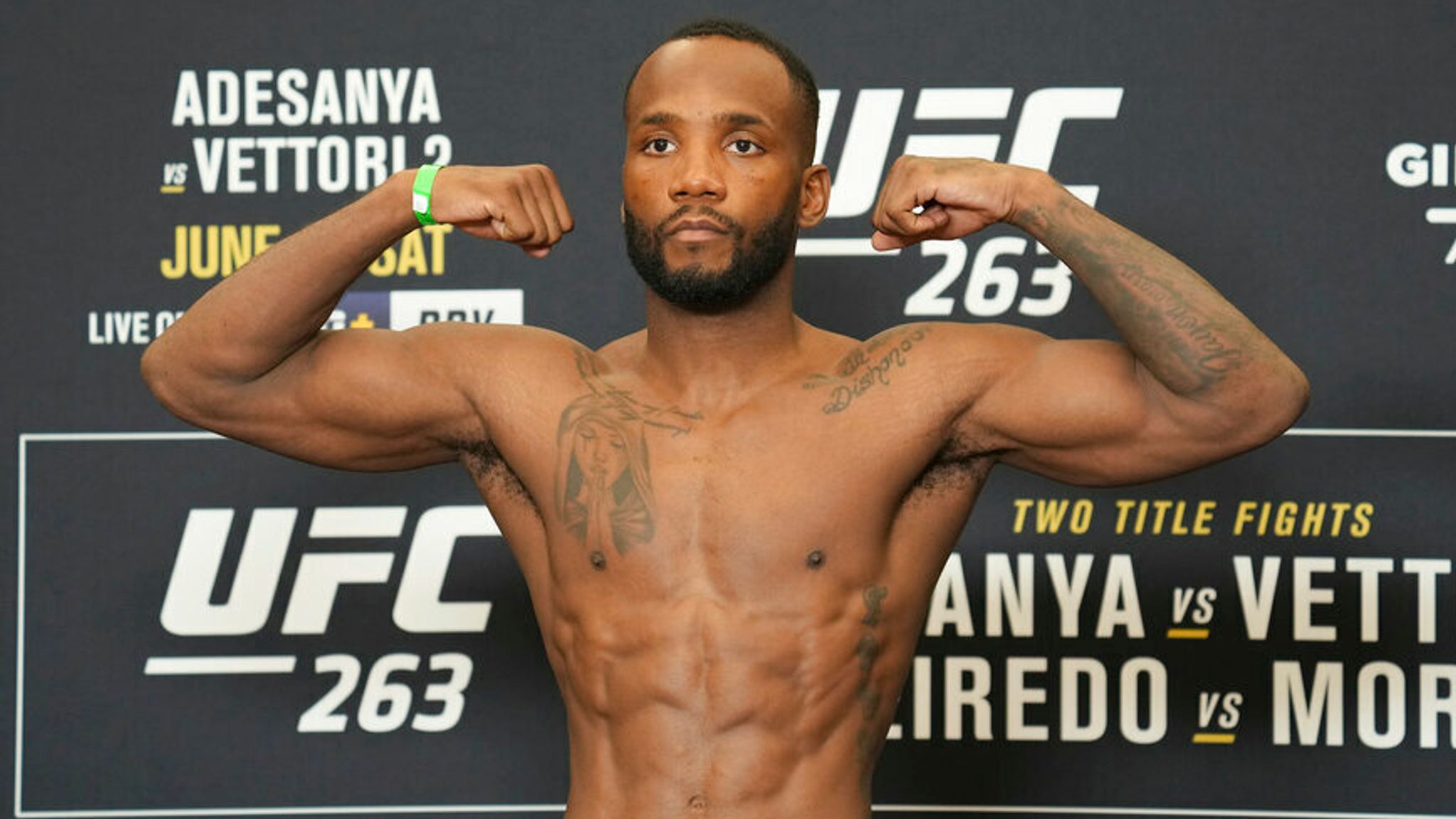
238Leon Edwards headshot

Leon Edwards

Welterweight

117.6

CCR

239Aaron Pico headshot

Aaron Pico

Featherweight

117.5

CCR

240Lawrence Lui headshot

Lawrence Lui

Bantamweight

117.4

CCR

241Tim Elliott headshot

Tim Elliott

Flyweight

117.2

CCR

242Carlos Vera headshot

Carlos Vera

Bantamweight

117.2

CCR

243Keiichiro Nakamura headshot

Keiichiro Nakamura

Featherweight

117.1

CCR

244Billy Elekana headshot

Billy Elekana

Light Heavyweight

117.1

CCR

245Grant Dawson headshot

Grant Dawson

Lightweight

117.1

CCR

246Alessandro Costa headshot

Alessandro Costa

Flyweight

117.0

CCR

247Jan Blachowicz headshot

Jan Blachowicz

Light Heavyweight

116.9

CCR

248Benardo Sopaj headshot

Benardo Sopaj

Bantamweight

116.9

CCR

249Lance Gibson Jr. headshot

Lance Gibson Jr.

Lightweight

116.8

CCR

250Vitor Petrino headshot

Vitor Petrino

Heavyweight

116.7

CCR

Showing 201250 of 1115 · Page 5 of 23

Analytics guide

Stat definitions at a glance

CCR

Current Competitiveness Rating

What it calculates

Current Competitiveness Rating (CCR): a composite score—like an Elo rating in chess—that evaluates advanced striking, grappling, pace, and opponent-quality stats into one number.

Why it matters

Weights recent performance much more heavily than older fights and incorporates factors like age. Use it to see who is fighting at an elite level right now.

TSR

True Skill Rating

What it calculates

True Skill Rating (TSR): the same composite approach applied across a fighter’s full UFC body of work, like an Elo rating built from advanced stats.

Why it matters

Does not overweight recency or adjust for age—it is a pure career evaluative metric. Helpful for separating sustained elite careers from short hot streaks.

SLpM

Significant strikes landed per minute

What it calculates

Total Significant Strikes Landed ÷ Total Fight Time (minutes)

Why it matters

Captures offensive pace and sustained scoring output — high SLpM forces opponents to fight at your tempo.

SApM

Significant strikes absorbed per minute

What it calculates

Total Significant Strikes Absorbed ÷ Total Fight Time (minutes)

Why it matters

Shows defensive efficiency and risk exposure — low SApM usually means better defense, distance management, and fewer damaging exchanges.

KD/M

Knockdowns per minute

What it calculates

Total Knockdowns ÷ Total Fight Time (minutes)

Why it matters

Measures a fighter’s ability to create high-impact, fight-changing moments that swing rounds or lead to finishes.

TD/M

Takedowns per minute

What it calculates

Total Takedowns Landed ÷ Total Fight Time (minutes)

Why it matters

Signals wrestling pace and phase control — fighters who can reliably force grappling exchanges can neutralize dangerous strikers.

CTRL

Control time per minute fought

What it calculates

Total Control Time ÷ Total Fight Time (minutes)

Why it matters

Quantifies positional dominance and round-winning leverage — control time often correlates with judges’ scoring and opponent suppression.

SUB/M

Submission attempts per minute

What it calculates

Total Submission Attempts ÷ Total Fight Time (minutes)

Why it matters

Reflects finishing threat on the mat — frequent submission attacks force defensive reactions that open up control and damage.

Rev

Reversals

What it calculates

Total Reversals ÷ Total Fight Time (minutes)

Why it matters

Highlights scrambling and escape ability — reversals turn bad positions into scoring opportunities and can flip momentum.

C/15

Control time per 15 minutes

What it calculates

(Total Control Time ÷ Total Fight Time) × 15 minutes

Why it matters

Standardizes grappling control to a 15-minute baseline so fighters with different bout lengths can be compared fairly.

TOP/15

Top control per 15 minutes

What it calculates

(Total Top Control Time ÷ Total Fight Time) × 15 minutes

Why it matters

Separates high-quality control (top position) from other control contexts — strong top control is a reliable path to winning rounds.

CLN/15

Clinch control per 15 minutes

What it calculates

(Total Clinch Control Time ÷ Total Fight Time) × 15 minutes

Why it matters

Measures fence control and pace management — clinch time can mute opponent offense and bank scoring minutes.

GRD/15

Ground control per 15 minutes

What it calculates

(Total Ground Control Time ÷ Total Fight Time) × 15 minutes

Why it matters

Shows takedown follow-through and top pressure — ground control often creates long stretches of safe scoring and attrition.

CAGE

Cage control per 15 minutes

What it calculates

(Total Cage Control Time ÷ Total Fight Time) × 15 minutes

Why it matters

Quantifies time spent driving position against the fence — useful for understanding style matchups and opponent disruption.

BACK

Back control per 15 minutes

What it calculates

(Total Back Control Time ÷ Total Fight Time) × 15 minutes

Why it matters

Back control is premium dominance — it strongly predicts submission threat and long, uncontested control sequences.

CHIN

Chin rating

What it calculates

Model score (0–100): durability under damaging strikes

Why it matters

A quick durability signal — higher scores suggest a fighter can survive danger and remain competitive deep into fights.

TDAtt

Takedowns attempted (career)

What it calculates

Career total takedown attempts (UFC bouts)

Why it matters

Represents grappling intent and game-planning tendency — high attempt totals usually indicate a wrestler-first approach.

TDLnd

Takedowns landed (career)

What it calculates

Career total takedowns landed (UFC bouts)

Why it matters

Proof of conversion and control potential — landed takedowns often precede control time, damage, and submission attempts.

TDAg

Takedown attempts against (career)

What it calculates

Career total opponent takedown attempts faced (UFC bouts)

Why it matters

Shows how often opponents choose to wrestle them — a proxy for perceived defensive striking threat or exploitable takedown defense.

TDDef

Takedown attempts defended (career)

What it calculates

Career total opponent takedown attempts defended (UFC bouts)

Why it matters

Highlights defensive wrestling volume — strong defense keeps fights in a preferred phase and preserves striking efficiency.