





Stat Leaders

Who leads by the numbers

See who leads every division. Rank UFC fighters by CCR and TSR, striking, grappling, and control—with every metric measured against their weight class peers.

MMA Outlaw TV — UFC betting picks, full card predictions, and proven results. Follow @MMAOUTLAWTV on YouTube.
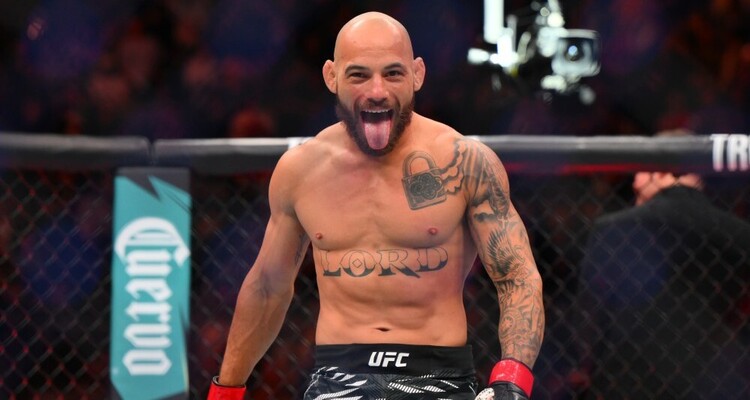
301Donte Johnson headshot

Donte Johnson

Middleweight

113.6

CCR

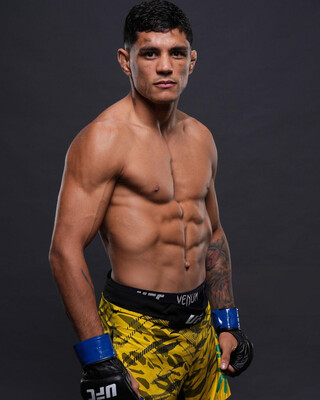
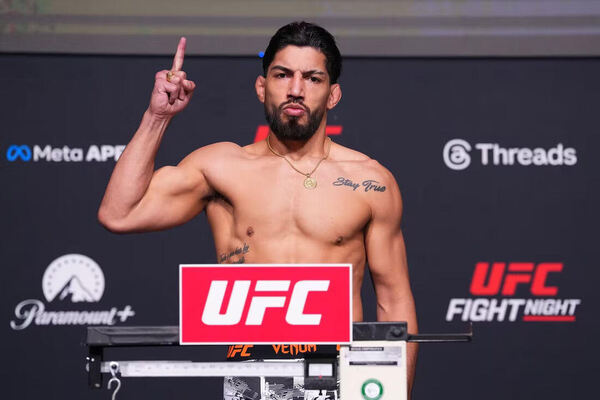
302Felipe Lima headshot

Felipe Lima

Bantamweight

113.6

CCR

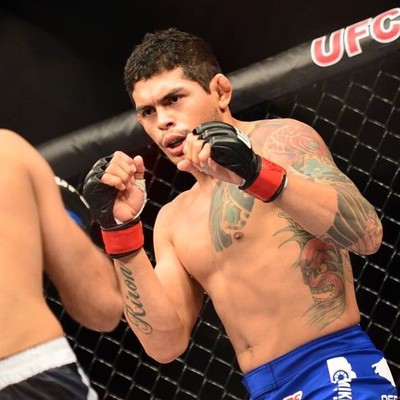
303Kody Steele headshot

Kody Steele

Lightweight

113.6

CCR

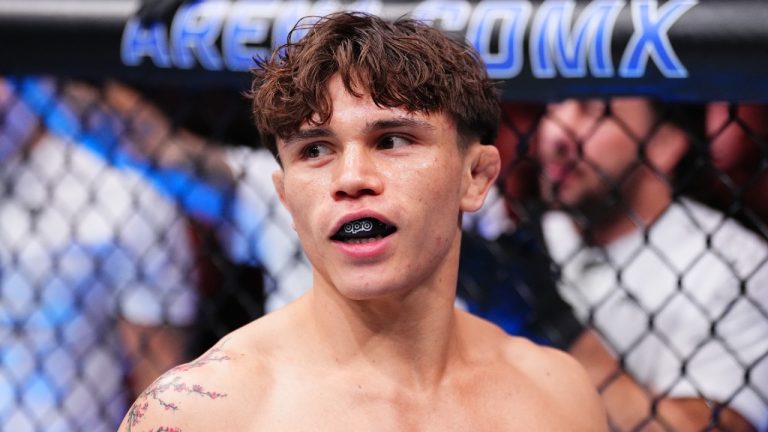
304Kai Kara-France headshot

Kai Kara-France

Flyweight

113.6

CCR

305ChangHo Lee headshot

ChangHo Lee

Bantamweight

113.5

CCR

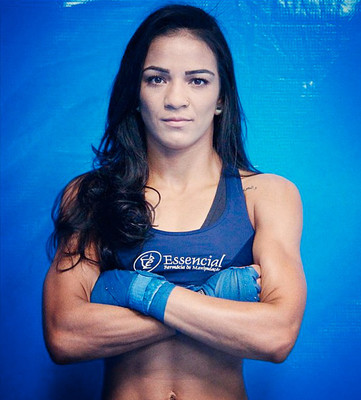
306Viviane Araujo headshot

Viviane Araujo

Women's Flyweight

113.5

CCR

307Wes Schultz headshot

Wes Schultz

Middleweight

113.4

CCR

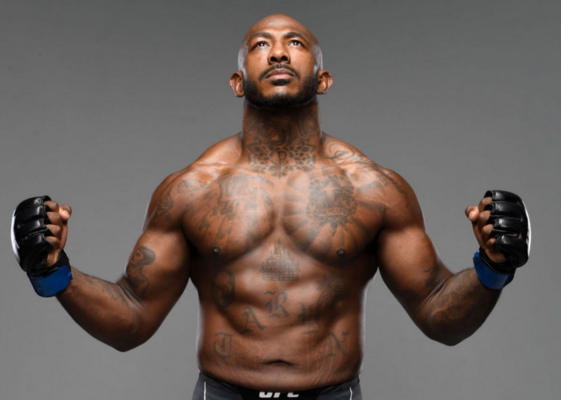
308Khalil Rountree Jr. headshot

Khalil Rountree Jr.

Light Heavyweight

113.4

CCR

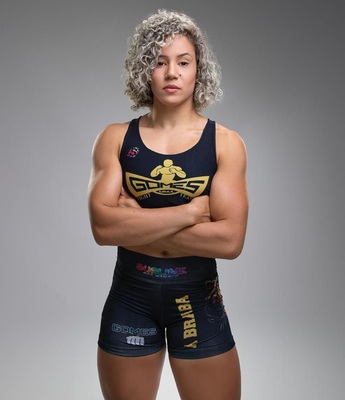
309Karine Silva headshot

Karine Silva

Women's Flyweight

113.4

CCR

310Alberto Montes headshot

Alberto Montes

Featherweight

113.4

CCR

311Hecher Sosa headshot

Hecher Sosa

Bantamweight

113.3

CCR

312Manoel Sousa headshot

Manoel Sousa

Lightweight

113.3

CCR

313Gokhan Saricam headshot

Gokhan Saricam

Heavyweight

113.2

CCR

314Mantas Kondratavicius headshot

Mantas Kondratavicius

Middleweight

113.0

CCR

315Jeff Molina headshot

Jeff Molina

Flyweight

113.0

CCR

316Nikita Krylov headshot

Nikita Krylov

Light Heavyweight

113.0

CCR

317Rongzhu headshot

Rongzhu

Lightweight

113.0

CCR

318Marcio Barbosa headshot

Marcio Barbosa

Featherweight

113.0

CCR

319Ketlen Souza headshot

Ketlen Souza

Women's Strawweight

112.9

CCR

320Angela Hill headshot

Angela Hill

Women's Strawweight

112.9

CCR

321Ryan Gandra headshot

Ryan Gandra

Middleweight

112.8

CCR

322Edgar Chairez headshot

Edgar Chairez

Flyweight

112.8

CCR

323Andreas Gustafsson headshot

Andreas Gustafsson

Welterweight

112.8

CCR

324Eduarda Moura headshot

Eduarda Moura

Catch Weight

112.7

CCR

325Jeisla Chaves headshot

Jeisla Chaves

Women's Strawweight

112.7

CCR

326Gabriel Santos headshot

Gabriel Santos

Featherweight

112.7

CCR

327Kai Asakura headshot

Kai Asakura

Bantamweight

112.7

CCR

328Rizvan Kuniev headshot

Rizvan Kuniev

Heavyweight

112.6

CCR

329Jean Silva headshot

Jean Silva

Featherweight

112.6

CCR

330Reinier de Ridder headshot

Reinier de Ridder

Light Heavyweight

112.5

CCR

331Victor Valenzuela headshot

Victor Valenzuela

Welterweight

112.5

CCR

332Ryan Spann headshot

Ryan Spann

Heavyweight

112.4

CCR

333Joaquim Silva headshot

Joaquim Silva

Lightweight

112.3

CCR

334Dione Barbosa headshot

Dione Barbosa

Women's Flyweight

112.2

CCR

335Tagir Ulanbekov headshot

Tagir Ulanbekov

Flyweight

112.2

CCR

336John Castaneda headshot

John Castaneda

Catch Weight

112.2

CCR

337Yadier del Valle headshot

Yadier del Valle

Featherweight

112.2

CCR

338Modestas Bukauskas headshot

Modestas Bukauskas

Catch Weight

112.2

CCR

339Mark Vologdin headshot

Mark Vologdin

Bantamweight

112.2

CCR

340JunYong Park headshot

JunYong Park

Middleweight

112.1

CCR

341Losene Keita headshot

Losene Keita

Featherweight

112.1

CCR

342Diego Ferreira headshot

Diego Ferreira

Lightweight

111.9

CCR

343John Garza (no photo available)

John Garza

Bantamweight

111.7

CCR

344Nyamjargal Tumendemberel headshot

Nyamjargal Tumendemberel

Flyweight

111.7

CCR

345Lone'er Kavanagh headshot

Lone'er Kavanagh

Flyweight

111.6

CCR

346Brandon Moreno headshot

Brandon Moreno

Flyweight

111.6

CCR

347Khaos Williams headshot

Khaos Williams

Welterweight

111.6

CCR

348Jose Ochoa headshot

Jose Ochoa

Flyweight

111.5

CCR

349SuYoung You headshot

SuYoung You

Bantamweight

111.5

CCR

350Muhammad Naimov headshot

Muhammad Naimov

Featherweight

111.5

CCR

Showing 301350 of 1115 · Page 7 of 23

Analytics guide

Stat definitions at a glance

CCR

Current Competitiveness Rating

What it calculates

Current Competitiveness Rating (CCR): a composite score—like an Elo rating in chess—that evaluates advanced striking, grappling, pace, and opponent-quality stats into one number.

Why it matters

Weights recent performance much more heavily than older fights and incorporates factors like age. Use it to see who is fighting at an elite level right now.

TSR

True Skill Rating

What it calculates

True Skill Rating (TSR): the same composite approach applied across a fighter’s full UFC body of work, like an Elo rating built from advanced stats.

Why it matters

Does not overweight recency or adjust for age—it is a pure career evaluative metric. Helpful for separating sustained elite careers from short hot streaks.

SLpM

Significant strikes landed per minute

What it calculates

Total Significant Strikes Landed ÷ Total Fight Time (minutes)

Why it matters

Captures offensive pace and sustained scoring output — high SLpM forces opponents to fight at your tempo.

SApM

Significant strikes absorbed per minute

What it calculates

Total Significant Strikes Absorbed ÷ Total Fight Time (minutes)

Why it matters

Shows defensive efficiency and risk exposure — low SApM usually means better defense, distance management, and fewer damaging exchanges.

KD/M

Knockdowns per minute

What it calculates

Total Knockdowns ÷ Total Fight Time (minutes)

Why it matters

Measures a fighter’s ability to create high-impact, fight-changing moments that swing rounds or lead to finishes.

TD/M

Takedowns per minute

What it calculates

Total Takedowns Landed ÷ Total Fight Time (minutes)

Why it matters

Signals wrestling pace and phase control — fighters who can reliably force grappling exchanges can neutralize dangerous strikers.

CTRL

Control time per minute fought

What it calculates

Total Control Time ÷ Total Fight Time (minutes)

Why it matters

Quantifies positional dominance and round-winning leverage — control time often correlates with judges’ scoring and opponent suppression.

SUB/M

Submission attempts per minute

What it calculates

Total Submission Attempts ÷ Total Fight Time (minutes)

Why it matters

Reflects finishing threat on the mat — frequent submission attacks force defensive reactions that open up control and damage.

Rev

Reversals

What it calculates

Total Reversals ÷ Total Fight Time (minutes)

Why it matters

Highlights scrambling and escape ability — reversals turn bad positions into scoring opportunities and can flip momentum.

C/15

Control time per 15 minutes

What it calculates

(Total Control Time ÷ Total Fight Time) × 15 minutes

Why it matters

Standardizes grappling control to a 15-minute baseline so fighters with different bout lengths can be compared fairly.

TOP/15

Top control per 15 minutes

What it calculates

(Total Top Control Time ÷ Total Fight Time) × 15 minutes

Why it matters

Separates high-quality control (top position) from other control contexts — strong top control is a reliable path to winning rounds.

CLN/15

Clinch control per 15 minutes

What it calculates

(Total Clinch Control Time ÷ Total Fight Time) × 15 minutes

Why it matters

Measures fence control and pace management — clinch time can mute opponent offense and bank scoring minutes.

GRD/15

Ground control per 15 minutes

What it calculates

(Total Ground Control Time ÷ Total Fight Time) × 15 minutes

Why it matters

Shows takedown follow-through and top pressure — ground control often creates long stretches of safe scoring and attrition.

CAGE

Cage control per 15 minutes

What it calculates

(Total Cage Control Time ÷ Total Fight Time) × 15 minutes

Why it matters

Quantifies time spent driving position against the fence — useful for understanding style matchups and opponent disruption.

BACK

Back control per 15 minutes

What it calculates

(Total Back Control Time ÷ Total Fight Time) × 15 minutes

Why it matters

Back control is premium dominance — it strongly predicts submission threat and long, uncontested control sequences.

CHIN

Chin rating

What it calculates

Model score (0–100): durability under damaging strikes

Why it matters

A quick durability signal — higher scores suggest a fighter can survive danger and remain competitive deep into fights.

TDAtt

Takedowns attempted (career)

What it calculates

Career total takedown attempts (UFC bouts)

Why it matters

Represents grappling intent and game-planning tendency — high attempt totals usually indicate a wrestler-first approach.

TDLnd

Takedowns landed (career)

What it calculates

Career total takedowns landed (UFC bouts)

Why it matters

Proof of conversion and control potential — landed takedowns often precede control time, damage, and submission attempts.

TDAg

Takedown attempts against (career)

What it calculates

Career total opponent takedown attempts faced (UFC bouts)

Why it matters

Shows how often opponents choose to wrestle them — a proxy for perceived defensive striking threat or exploitable takedown defense.

TDDef

Takedown attempts defended (career)

What it calculates

Career total opponent takedown attempts defended (UFC bouts)

Why it matters

Highlights defensive wrestling volume — strong defense keeps fights in a preferred phase and preserves striking efficiency.